Exploring the world of Semi-Truck Underride Collisions and the pursuit of justice for catastrophic safety failures, this introduction sets the stage for a compelling discussion that delves into the complexities of this critical issue.
Providing insights and statistics on the frequency of semi-truck underride collisions, this overview aims to inform and engage readers from the start.
Understanding Semi-Truck Underride Collisions
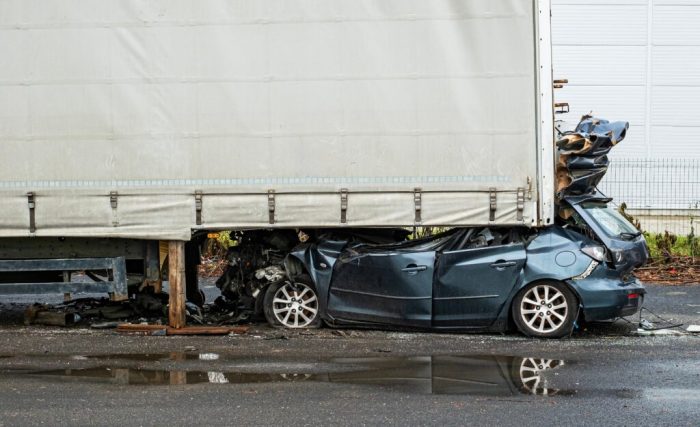
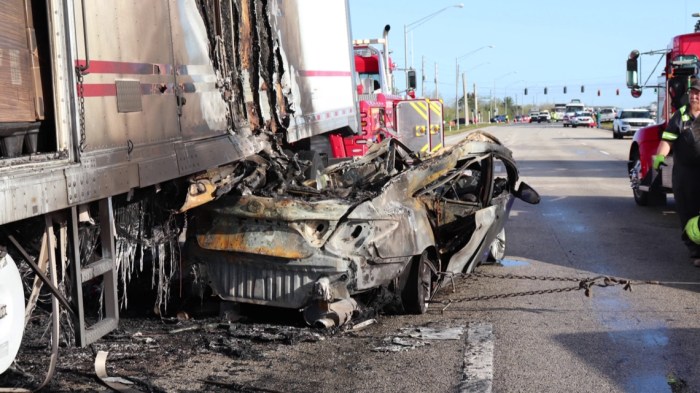
Semi-truck underride collisions are accidents that occur when a smaller vehicle collides with a semi-truck and ends up sliding underneath the truck's trailer. These types of collisions are extremely dangerous and often result in catastrophic injuries or fatalities for the occupants of the smaller vehicle.
How Semi-Truck Underride Collisions Occur
Semi-truck underride collisions typically occur when a smaller vehicle rear-ends a semi-truck and goes underneath the trailer due to the height difference between the two vehicles. In some cases, the impact can be so severe that the top of the smaller vehicle is completely sheared off by the underside of the trailer.
- Visibility issues: Poor visibility conditions can contribute to these collisions, making it difficult for drivers to see the trailer of the semi-truck.
- Braking distance: The longer braking distance required for semi-trucks can lead to rear-end collisions, increasing the risk of underride accidents.
- Lack of underride guards: Some semi-trucks do not have adequate underride guards in place, making it easier for smaller vehicles to slide underneath the trailer upon impact.
Statistics on Semi-Truck Underride Collisions
According to the Insurance Institute for Highway Safety (IIHS), underride collisions account for a significant number of fatalities in crashes involving semi-trucks. In 2019, 1,266 passenger vehicle occupants died in crashes involving semi-trucks, with a large portion of these fatalities attributed to underride collisions.
Consequences of Semi-Truck Underride Collisions
Underride collisions involving semi-trucks can have devastating consequences due to catastrophic safety failures. These accidents often result in severe injuries and fatalities, highlighting the urgent need for improved safety measures.
Catastrophic Safety Failures
- Insufficient rear guards on semi-trucks that fail to prevent smaller vehicles from sliding underneath during a collision.
- Lack of reflective markings or lighting on trailers, making it difficult for drivers to see the truck at night or in poor visibility conditions.
- Inadequate training for truck drivers on how to prevent underride collisions or respond effectively in emergency situations.
Types of Injuries or Fatalities
- Severe head and neck injuries due to the impact of the collision and the force of the underride.
- Crushed or amputated limbs resulting from the compression between the semi-truck and the smaller vehicle.
- Internal injuries caused by the sudden deceleration of the crash, leading to organ damage and internal bleeding.
Real-Life Examples
One tragic example of the impact of a semi-truck underride collision is the case of a young family whose car slid under a truck at high speed, resulting in multiple fatalities and life-altering injuries.
In another instance, a commuter bus was involved in an underride collision with a semi-truck, leading to numerous passengers sustaining critical injuries and fatalities due to the lack of proper safety measures.
Current Safety Regulations and Standards
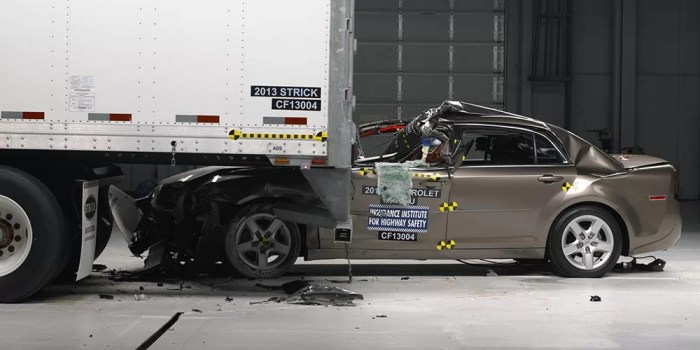
In the realm of semi-truck underride collisions, safety regulations and standards play a crucial role in preventing catastrophic accidents. Let's delve into the existing safety measures and evaluate their effectiveness
Existing Safety Regulations
- The National Highway Traffic Safety Administration (NHTSA) in the United States mandates regulations for rear underride guards on semi-trucks to prevent vehicles from sliding underneath the trailer in a collision.
- In Europe, similar standards are set by the European Union through the European Committee for Standardization (CEN) for rear underride protection devices.
- Some countries have stricter regulations than others, requiring additional safety features such as side underride guards to further minimize the risk of underride collisions.
Comparison of Safety Standards
- While the NHTSA regulations in the U.S. focus on rear underride guards, European standards encompass both rear and side underride protection, showcasing a more comprehensive approach to safety.
- Countries like Australia and Japan have also adopted stringent safety standards for semi-trucks, often exceeding the minimum requirements set by international bodies.
- However, disparities in safety regulations across regions highlight the need for global harmonization to ensure consistent safety measures worldwide.
Effectiveness of Current Safety Measures
- Studies have shown that rear underride guards can significantly reduce the severity of injuries and fatalities in rear-end collisions involving semi-trucks.
- However, the effectiveness of these safety measures can be compromised by factors such as outdated designs, improper installation, or lack of enforcement of regulations.
- Ongoing research and technological advancements are essential to enhance the safety standards for semi-trucks and minimize the occurrence of underride collisions.
Pursuing Justice for Underride Collisions
When it comes to seeking justice for underride collisions, victims or families affected by these tragic events have legal avenues available to them. These legal options are crucial in holding responsible parties accountable for catastrophic safety failures that result in such devastating accidents.
Legal Avenues for Victims
Victims or families affected by underride collisions can pursue justice through civil lawsuits against the trucking companies, manufacturers, or other parties responsible for the safety failures. By seeking compensation for medical expenses, lost wages, pain and suffering, and other damages, victims can hold negligent parties accountable for their actions.
Challenges in Seeking Justice
One of the main challenges faced when pursuing justice for underride collisions is the complex nature of these cases. Proving liability and establishing negligence can be difficult, especially when going up against large corporations with extensive legal resources. Additionally, navigating the legal system and dealing with insurance companies can add further challenges to the process.
Successful Cases
Despite the challenges, there have been successful cases where justice was pursued and achieved for victims of underride collisions. Through the dedication of experienced legal teams and the perseverance of victims and their families, compensation has been awarded, and accountability has been upheld.
These successful cases serve as a beacon of hope for others seeking justice in similar circumstances.
Closing Summary
In conclusion, the discussion on Semi-Truck Underride Collisions and the quest for justice in the face of safety failures offers a sobering yet hopeful glimpse into the ongoing efforts to improve safety standards and protect lives on the road.
FAQ Summary
What are the common types of injuries seen in semi-truck underride collisions?
Common injuries include traumatic brain injuries, spinal cord injuries, and fatalities due to the severe impact of underride collisions.
How can families affected by underride collisions seek legal justice?
Families can pursue legal action by consulting with experienced attorneys specializing in personal injury and wrongful death cases related to truck accidents.
Are there specific safety regulations for semi-trucks to prevent underride collisions?
Yes, there are regulations such as rear underride guards that aim to minimize the risk of underride collisions by preventing smaller vehicles from sliding underneath the trucks.