When it comes to 18-Wheeler Crash Attorney: How to Sue for Improper Cargo Loading, understanding the nuances and legal considerations is crucial. Let's delve into the complexities of this topic and explore the steps involved in seeking justice for improper cargo loading incidents.
From defining improper cargo loading to discussing legal aspects and practical steps after a crash, this guide aims to provide a comprehensive overview for those navigating through such challenging situations.
Understanding Improper Cargo Loading
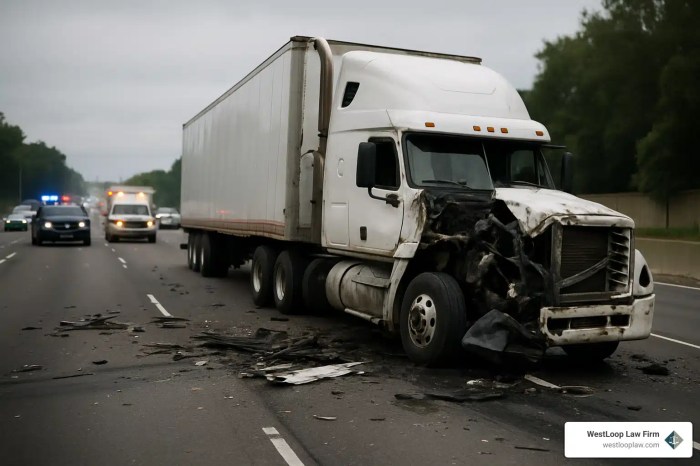
Improper cargo loading in the context of an 18-wheeler crash refers to the incorrect or unsafe distribution of cargo within the trailer of a large commercial truck. This can lead to a variety of hazardous situations on the road.Improperly loaded cargo poses significant risks to both the truck driver and other motorists on the road.
One of the main dangers is the potential for the cargo to shift or spill while the truck is in motion. This sudden movement can destabilize the vehicle, causing the driver to lose control and resulting in a serious accident.Examples of how improper cargo loading can lead to accidents include overloading the trailer, uneven weight distribution, failure to secure the cargo properly, and using damaged or inadequate loading equipment.
These factors can all contribute to a higher likelihood of rollovers, jackknifes, or cargo spillage, putting everyone on the road at risk.
Potential Dangers and Risks
Improper cargo loading can result in the following dangers and risks:
- Increased risk of rollovers due to top-heavy or unevenly distributed cargo.
- Jackknifing incidents caused by sudden shifts in weight distribution.
- Cargo spillage onto the roadway, creating hazardous conditions for other drivers.
- Difficulty in braking or maneuvering the vehicle safely.
Legal Considerations for 18-Wheeler Crash Lawsuits
When it comes to filing a lawsuit for an 18-wheeler crash caused by improper cargo loading, there are several legal aspects to consider. Understanding the liability of different parties involved in the loading process and how negligence or violations of regulations play a role is crucial in seeking justice and compensation for the damages incurred.
Liability of Different Parties
In cases of improper cargo loading leading to an 18-wheeler crash, multiple parties can be held liable. This includes the trucking company, the driver, the loading company, and even the manufacturer of the cargo securement equipment. Each party may have a share of responsibility based on their involvement in the loading process and ensuring compliance with safety regulations.
- The trucking company may be held accountable for failing to properly train their employees on safe loading practices or for pressuring drivers to meet tight deadlines that compromise safety.
- The driver could be liable if they failed to conduct proper pre-trip inspections or ignored signs of improperly secured cargo during transport.
- The loading company may bear responsibility if they did not follow proper loading procedures or if their employees were not adequately trained in cargo securement.
- The manufacturer of cargo securement equipment could be at fault if their products were defective or if they provided inadequate instructions for proper use.
Negligence and Violations of Regulations
In 18-wheeler crash lawsuits related to improper cargo loading, proving negligence or violations of regulations is essential to establishing liability. Negligence can be demonstrated through evidence showing a breach of duty of care, such as failing to secure cargo properly or overlooking weight limits.
Violations of regulations, such as those Artikeld by the Federal Motor Carrier Safety Administration (FMCSA), can further strengthen a case by highlighting specific safety standards that were not followed.
It is crucial to gather evidence such as witness testimonies, inspection reports, and expert opinions to support claims of negligence or regulatory violations in 18-wheeler crash lawsuits.
Steps to Take After an 18-Wheeler Crash
After being involved in an 18-wheeler crash, it is crucial to take immediate actions to protect yourself and your legal rights. Here are the steps you should follow:
Documenting the Scene
- Call 911 and report the accident to law enforcement.
- Take photos of the accident scene, including vehicle damage, road conditions, and any relevant signage.
- Collect contact information from witnesses and the truck driver.
- Make notes about the weather conditions, time of day, and any other factors that may have contributed to the crash.
Seeking Medical Attention
- Get medical help immediately, even if you don't think you are seriously injured.
- Follow up with healthcare professionals for a thorough evaluation of your injuries.
- Keep detailed records of all medical treatments, prescriptions, and expenses related to the accident.
Preserving Evidence
- Do not repair or dispose of your vehicle until it has been thoroughly inspected by an expert.
- Preserve any physical evidence from the accident, such as clothing, damaged items, or debris.
- Keep a journal documenting your physical and emotional state after the crash.
Protecting Your Legal Rights
- Avoid discussing the accident with the trucking company's insurance adjusters without legal representation.
- Consult with an experienced 18-wheeler crash attorney to understand your rights and options for seeking compensation.
- File a claim within the statute of limitations to ensure you can pursue legal action if necessary.
Working with an 18-Wheeler Crash Attorney
When dealing with the aftermath of an 18-wheeler crash due to improper cargo loading, it is crucial to seek the expertise of an attorney specializing in such cases. These attorneys play a vital role in helping victims pursue legal action and seek the compensation they deserve.
Role of an Attorney Specializing in 18-Wheeler Crash Cases
- Provide legal guidance and advice on the best course of action.
- Investigate the crash scene, gather evidence, and interview witnesses.
- Negotiate with insurance companies and represent clients in court.
- Work towards securing fair compensation for damages, medical expenses, and lost wages.
How Attorneys Investigate and Build a Case
- Review police reports, medical records, and other relevant documents.
- Consult accident reconstruction experts to determine the cause of the crash.
- Analyze the extent of damages and injuries to assess the value of the case.
- Prepare legal documents, such as complaints and motions, to file in court.
Tips to Find a Reputable Attorney
- Look for attorneys with experience specifically in 18-wheeler crash cases.
- Read reviews and testimonials from past clients to gauge their reputation.
- Schedule consultations with multiple attorneys to compare their approach and expertise.
- Ensure the attorney has a successful track record of winning similar cases.
Final Summary
In conclusion, the journey of seeking compensation for improper cargo loading in 18-wheeler crashes is multifaceted and requires a strategic approach. By following the Artikeld steps and seeking the right legal representation, individuals can navigate this complex terrain with confidence and determination.
Common Queries
What are the potential dangers of improperly loaded cargo?
Improperly loaded cargo can lead to shifting loads, unbalanced trucks, and increased risks of accidents on the road.
How can negligence play a role in 18-wheeler crash lawsuits related to improper cargo loading?
Negligence can be a key factor when determining liability in such cases, especially if it involves violations of regulations or safety standards.
What should individuals do immediately after being involved in an 18-wheeler crash?
It is important to document the scene, seek medical attention, and preserve any evidence that can support your case.
How do 18-Wheeler Crash Attorneys investigate cases of improper cargo loading?
Attorneys specializing in these cases conduct thorough investigations, gather evidence, and build strong legal arguments to support their clients' claims.