Embark on a journey through the realm of Health Insurance Plans in the USA for 2026, where we explore the top options available and delve into the intricate details that define each plan. As we navigate through the complexities of healthcare coverage, a clearer picture emerges of the best choices individuals can make for their well-being.
Delve deeper into the world of health insurance plans to discover the most optimal solutions for the year 2026.
Overview of Health Insurance Plans in the USA
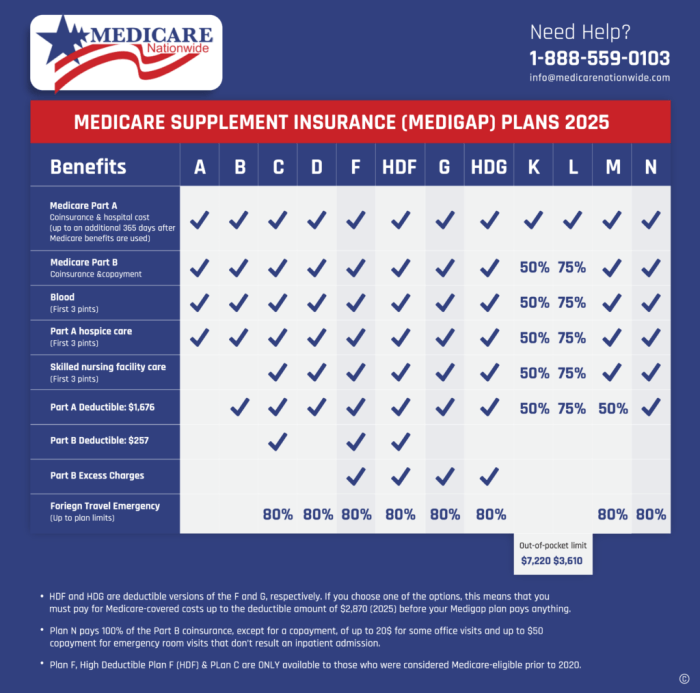
Health insurance coverage is essential for individuals and families in the USA to ensure access to medical care without facing exorbitant costs. It provides financial protection against unexpected healthcare expenses and promotes overall well-being.
Key Features of Health Insurance Plans
- Health insurance plans typically include coverage for doctor visits, hospital stays, prescription medications, preventive care, and mental health services.
- Plans may have different levels of coverage, such as bronze, silver, gold, or platinum, offering varying cost-sharing options for individuals.
- Many health insurance plans require individuals to pay a monthly premium, deductible, and co-payments for services rendered.
- Network restrictions may apply, limiting the choice of healthcare providers that are covered under the plan.
Evolution of Health Insurance Options in the USA
Health insurance options in the USA have evolved over time to address changing healthcare needs and regulatory requirements. Historically, employer-sponsored insurance was the predominant form of coverage, but the Affordable Care Act (ACA) introduced new marketplaces for individuals to purchase plans.
The ACA also mandated essential health benefits that all plans must cover, such as maternity care, mental health services, and prescription drugs.
This shift towards standardized coverage and increased access has expanded the range of health insurance options available to Americans, promoting greater affordability and inclusivity in the healthcare system.
Types of Health Insurance Plans Available
Health insurance plans in the USA come in various types, each offering different levels of coverage and flexibility. The most common types include Health Maintenance Organizations (HMOs), Preferred Provider Organizations (PPOs), Exclusive Provider Organizations (EPOs), and Point of Service (POS) plans.
HMOs (Health Maintenance Organizations)
HMOs require members to choose a primary care physician and get referrals to see specialists. These plans typically have lower out-of-pocket costs but limit the choice of healthcare providers. HMOs are best suited for individuals who prefer lower premiums and are willing to coordinate their care through a primary care physician.
PPOs (Preferred Provider Organizations)
PPOs offer more flexibility in choosing healthcare providers and do not require referrals to see specialists. While PPOs have higher premiums and out-of-pocket costs compared to HMOs, they allow members to see out-of-network providers at a higher cost. PPOs are ideal for individuals who want more provider options and are willing to pay higher premiums for that flexibility.
EPOs (Exclusive Provider Organizations)
EPOs combine elements of HMOs and PPOs by offering a network of providers for members to choose from without needing referrals. However, EPOs do not cover out-of-network care except in emergencies. EPOs are suitable for individuals who want a balance between cost and provider choice within a specific network.
POS (Point of Service) Plans
POS plans allow members to choose between in-network and out-of-network care. While referrals are typically required to see specialists, POS plans offer more coverage for out-of-network care compared to other types of plans. POS plans are beneficial for individuals who want the flexibility to see out-of-network providers when needed while still having coverage for in-network care.
Factors to Consider When Choosing a Health Insurance Plan
When selecting a health insurance plan, there are several important factors to consider that can impact your coverage and overall healthcare costs. Understanding how coverage, premiums, deductibles, and networks play a role in decision-making can help you choose a plan that best fits your individual needs.
Coverage
- Consider the extent of coverage provided by the plan, including services, medications, and treatments that are included.
- Check if your current healthcare providers are in-network to ensure you can continue seeing them without additional costs.
- Look into coverage for preventive care, mental health services, and other essential benefits that may be important to you.
Premiums
- Compare the monthly premiums for different plans and determine what fits within your budget while still providing adequate coverage.
- Remember that lower premiums may come with higher out-of-pocket costs, so it's essential to weigh the trade-offs.
- Consider if you are eligible for premium tax credits or subsidies to help offset the cost of insurance.
Deductibles
- Understand the deductible amount you will need to pay out-of-pocket before your insurance coverage kicks in.
- Evaluate how much you can afford to pay in deductibles and whether a high-deductible plan with lower premiums makes sense for your situation.
- Check if certain services are covered before meeting the deductible, such as preventive care visits or prescription drugs.
Networks
- Review the provider network of each plan to see if your preferred doctors, specialists, and hospitals are included.
- Consider the flexibility of the network in terms of accessing care when traveling or seeking treatment outside your local area.
- Understand the difference between in-network and out-of-network coverage, as out-of-network care may result in higher costs for you.
Emerging Trends in Health Insurance for 2026
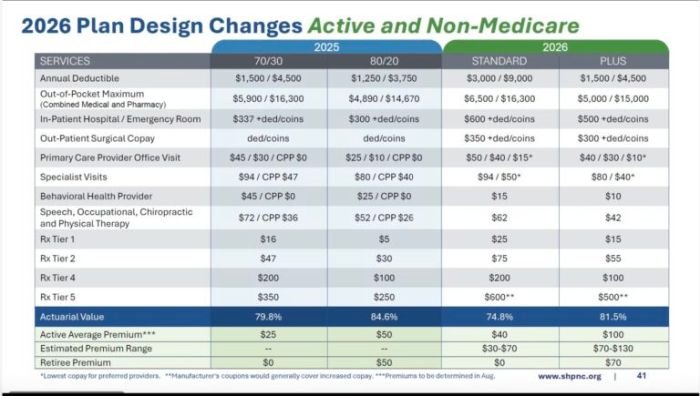
Health insurance is an ever-evolving industry, with new trends and developments shaping the landscape each year. As we look ahead to 2026, several emerging trends are poised to have a significant impact on health insurance policies and offerings.
Increased Focus on Telehealth Services
Telehealth services have seen a surge in popularity in recent years, driven by the convenience and accessibility they offer. In 2026, we can expect health insurance plans to place an increased focus on telehealth services, making it easier for policyholders to access virtual consultations with healthcare providers.
This trend is particularly relevant in light of the COVID-19 pandemic, which has accelerated the adoption of telehealth services across the healthcare industry.
Personalized Health Insurance Plans
Another emerging trend in health insurance for 2026 is the shift towards personalized health insurance plans. With advancements in technology and data analytics, insurance companies are now able to tailor their offerings to better meet the individual needs of policyholders.
This trend is expected to continue growing in 2026, with insurers leveraging data-driven insights to create customized plans that address specific health concerns and preferences.
Integration of Wearable Technology
Wearable technology, such as fitness trackers and smartwatches, is becoming increasingly popular among consumers looking to monitor their health and wellness. In 2026, we can expect health insurance plans to integrate wearable technology into their offerings, allowing policyholders to track their health metrics and receive personalized recommendations based on real-time data.
This trend not only promotes proactive health management but also enables insurers to incentivize healthy behaviors through rewards programs and discounts.
Emphasis on Mental Health Coverage
Mental health awareness has been on the rise in recent years, prompting health insurance companies to expand their coverage of mental health services. In 2026, we can expect this trend to continue, with insurers placing a greater emphasis on mental health coverage and support.
From therapy sessions to mental wellness apps, health insurance plans will likely offer a range of resources to help policyholders prioritize their mental well-being alongside their physical health.
Increased Transparency and Consumer Education
As consumers become more empowered to make informed decisions about their healthcare, health insurance companies are recognizing the importance of transparency and consumer education. In 2026, we can expect insurers to provide clearer information about coverage options, costs, and benefits, empowering policyholders to choose plans that best suit their needs.
This trend towards increased transparency and consumer education is aimed at fostering trust and engagement between insurers and policyholders, ultimately leading to better health outcomes.
Comparison of Leading Health Insurance Providers in the USA
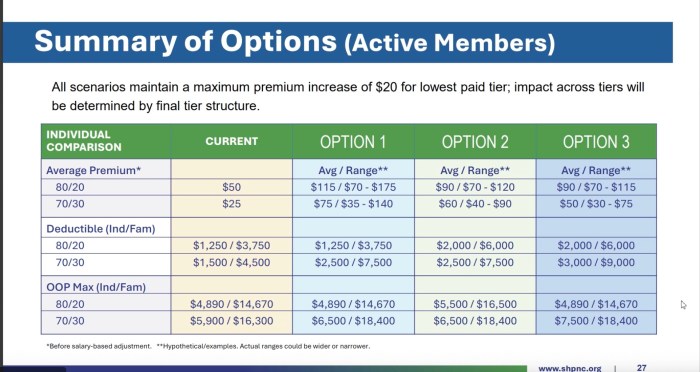
When choosing a health insurance provider, it's essential to compare major companies based on coverage, cost, and customer service. This comparison can help you make an informed decision that meets your healthcare needs. Below, we will discuss rankings, reviews, strengths, and weaknesses of different insurance providers in the USA.
Blue Cross Blue Shield
Blue Cross Blue Shield is known for its wide network coverage across the country, offering various plans to suit different needs. They have a strong reputation for customer service but may come with higher premiums compared to other providers.
United Healthcare
United Healthcare is one of the largest health insurance providers in the USA, offering a range of plans with competitive pricing. They are known for their innovative health programs and customer support, but some users have reported issues with claim processing.
Aetna
Aetna provides a diverse selection of health insurance plans, including options for individuals, families, and employers. They offer comprehensive coverage but may have limited network options in certain areas, affecting access to care.
Cigna
Cigna is a global health service company that offers a variety of health insurance plans with a focus on preventive care and wellness programs. While they provide excellent customer service, some users have mentioned challenges with claims reimbursement.
Kaiser Permanente
Kaiser Permanente is a unique health insurance provider that combines coverage with care delivery through their integrated system of hospitals and clinics. They are known for their quality of care but may have limited network options outside their service areas.
Final Wrap-Up
In conclusion, the landscape of Health Insurance Plans USA for 2026 offers a myriad of possibilities, each with its own set of advantages and drawbacks. By understanding the nuances of each plan and considering individual needs, one can make an informed decision that ensures comprehensive coverage and peace of mind.
FAQs
What are the key features of health insurance plans?
Health insurance plans typically include coverage for medical expenses, preventive care, prescription drugs, and hospitalization. They vary in terms of cost, coverage limits, and network providers.
How do deductibles impact decision-making when choosing a health insurance plan?
Higher deductibles usually result in lower premiums but require individuals to pay more out of pocket before insurance coverage kicks in. Lower deductibles mean higher premiums but less upfront costs for medical care.
What are some emerging trends in health insurance for 2026?
Emerging trends include the use of telemedicine, personalized health plans, and increased focus on mental health coverage. Technology plays a significant role in shaping the future of healthcare.