As Best Corporate Travel Management Systems for Large US Enterprises: 2026 Feature & Cost Review takes center stage, this opening passage beckons readers into a world crafted with good knowledge, ensuring a reading experience that is both absorbing and distinctly original.
In the following paragraphs, you will find a detailed exploration of the essential features, cost analysis, and future trends of corporate travel management systems tailored for large US enterprises in 2026.
Overview of Corporate Travel Management Systems
Corporate travel management systems are specialized software solutions designed to help large enterprises manage their travel-related processes efficiently. These systems play a crucial role in ensuring cost-effective and streamlined travel arrangements for employees.
Key Features of Corporate Travel Management Systems
- Booking and Reservation Management: These systems allow employees to book flights, hotels, and other travel services through a centralized platform, ensuring compliance with company policies.
- Expense Reporting: Corporate travel management systems help automate the expense reporting process, making it easier for employees to submit and track their travel expenses.
- Policy Compliance: These systems enforce company travel policies, ensuring that employees adhere to guidelines related to bookings, expenses, and travel approvals.
- Travel Itinerary Management: Corporate travel management systems provide employees with detailed itineraries, including flight details, hotel reservations, and meeting schedules, to help them stay organized during their trips.
- Travel Risk Management: Some systems offer features to monitor travel risks, such as natural disasters or political unrest, and provide assistance to employees in case of emergencies.
Importance of Corporate Travel Management Systems for Large Enterprises
Corporate travel management systems are essential for large enterprises to effectively manage their travel expenses, ensure employee safety, and streamline travel processes. By centralizing bookings, expenses, and policy enforcement, these systems help organizations save time and money while improving overall travel efficiency.
Key Features in Corporate Travel Management Systems
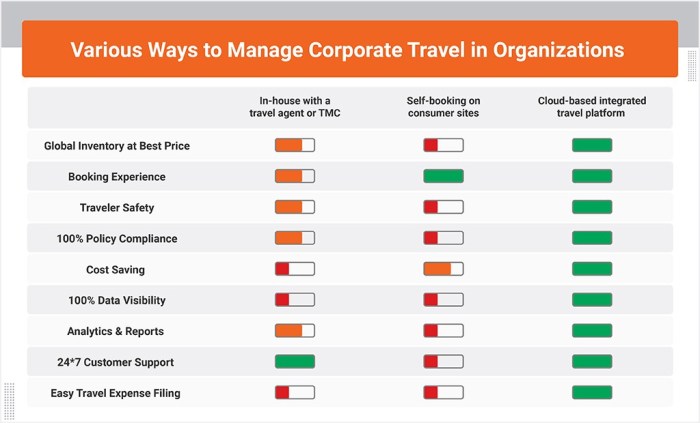
Corporate travel management systems offer a range of essential features tailored to the needs of large US enterprises. These features help streamline travel booking, expense management, and reporting, ultimately leading to cost savings and improved efficiency.
Booking Features
- Integrated booking platforms that allow employees to book flights, hotels, and transportation easily.
- Centralized booking tools that ensure compliance with company travel policies and negotiated rates.
- Real-time itinerary updates and alerts for any changes or disruptions in travel plans.
Expense Management Features
- Automated expense reporting to simplify the reimbursement process for employees.
- Integration with corporate credit cards to track expenses in real-time.
- Policy enforcement to ensure compliance with spending limits and approval workflows.
Reporting Features
- Customizable reporting dashboards that provide insights into travel spending and patterns.
- Advanced analytics tools to identify cost-saving opportunities and optimize travel budgets.
- Integration with accounting systems for seamless financial reconciliation.
AI Integration Impact
The integration of artificial intelligence (AI) in corporate travel management systems has revolutionized the way companies handle travel. AI-powered features like predictive analytics, chatbots for traveler support, and smart itinerary recommendations have significantly improved the overall travel experience for employees while driving cost efficiencies for enterprises.
Functionality Comparison
| Feature | System A | System B | System C |
|---|---|---|---|
| Integrated Booking | ✔️ | ✔️ | ✔️ |
| Expense Management | ✔️ | ✔️ | ✔️ |
| Advanced Analytics | ✔️ | ✔️ | ✔️ |
Cost Analysis of Corporate Travel Management Systems
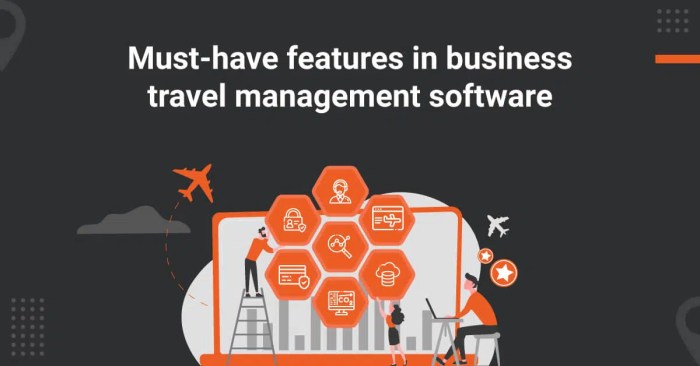
Implementing a corporate travel management system can be a significant investment for large enterprises. Let's break down the cost structure and pricing models to evaluate the potential cost-saving benefits and return on investment.
Cost Structure of Implementing Corporate Travel Management Systems
- Initial setup costs for software installation and customization.
- Licensing fees for using the system.
- Training costs for employees to use the system effectively.
- Maintenance and support fees for ongoing assistance.
- Integration costs with existing systems or travel booking platforms.
Pricing Models of Top Corporate Travel Management Systems
| System | Pricing Model |
|---|---|
| System A | Subscription-based pricing per user per month. |
| System B | One-time licensing fee with additional support costs. |
| System C | Pay-per-use model based on transactions processed. |
Potential Cost-Saving Benefits for Large Enterprises
- Consolidation of travel bookings to negotiate better rates with suppliers.
- Automation of approval processes to reduce administrative costs.
- Real-time tracking and reporting to identify cost-saving opportunities.
- Policy enforcement to prevent overspending on travel expenses.
Return on Investment for Adopting a Corporate Travel Management System
By streamlining travel management processes, reducing costs, and increasing visibility into travel expenses, large enterprises can expect to see a significant return on investment over time. The improved efficiency and cost control provided by these systems can lead to long-term savings and enhanced travel management capabilities.
Future Trends in Corporate Travel Management Systems
The landscape of corporate travel management systems is constantly evolving, driven by advancements in technology and changing business needs. Here are some key trends expected to shape these systems by 2026:
Data Analytics and Predictive Insights
In the future, data analytics will play a crucial role in corporate travel management systems. By harnessing the power of big data, companies can gain valuable insights into travel patterns, expenses, and employee preferences. Predictive analytics will enable organizations to anticipate travel needs, optimize travel itineraries, and make data-driven decisions to enhance efficiency and cost savings.
Automation and Machine Learning
Automation and machine learning are poised to revolutionize the way travel management is handled. By automating routine tasks such as booking, expense reporting, and itinerary planning, companies can streamline processes and free up employees to focus on more strategic tasks.
Machine learning algorithms can analyze vast amounts of data to identify trends, recommend personalized travel options, and continuously improve the overall travel experience for employees.
Integration with Emerging Technologies like Blockchain
The integration of emerging technologies like blockchain is expected to bring greater transparency, security, and efficiency to corporate travel management systems. Blockchain technology can help verify the authenticity of travel bookings, securely store traveler information, and streamline payment processes. By leveraging blockchain, companies can reduce fraud, enhance data privacy, and create a more seamless travel experience for employees.
Ending Remarks
In conclusion, the landscape of corporate travel management systems for large US enterprises is evolving rapidly to meet the demands of the modern business world. The integration of advanced features and cost-effective solutions will continue to shape the industry, providing organizations with efficient tools to streamline their travel processes and enhance overall productivity.
Popular Questions
Question: What are the key features that large US enterprises should look for in corporate travel management systems?
Answer: Large US enterprises should prioritize features such as advanced analytics, seamless booking processes, integrated expense management, and robust reporting capabilities to effectively manage their corporate travel needs.
Question: How do corporate travel management systems with AI integration benefit large enterprises?
Answer: AI integration in these systems helps automate repetitive tasks, personalize travel experiences, optimize travel budgets, and enhance decision-making processes for large enterprises.
Question: What potential cost-saving benefits can large enterprises expect from implementing a corporate travel management system?
Answer: Large enterprises can save costs through better travel planning, reduced errors in bookings, improved compliance with travel policies, negotiated discounts with vendors, and efficient expense management, resulting in overall savings.