Project Management Software Enterprise: Top Solutions Ranked sets the stage for this enthralling narrative, offering readers a glimpse into a story that is rich in detail and brimming with originality. As businesses strive to manage large-scale projects efficiently, the need for specialized software tailored to enterprise needs becomes increasingly crucial.
This guide delves into the world of project management software for enterprises, exploring key features, popular solutions, and successful case studies.
Overview of Project Management Software for Enterprises
Project management software for enterprises is a specialized tool designed to help organizations plan, execute, monitor, and control large-scale projects. These software solutions are tailored to meet the unique needs and challenges of managing complex projects within a corporate setting.Using project management software is crucial for enterprises as it brings efficiency, transparency, and collaboration to the project management process.
With features like task scheduling, resource allocation, budget tracking, and communication tools, these software platforms enable teams to work together seamlessly towards project success.In comparison to project management software used for smaller projects, enterprise-level solutions are equipped with advanced functionalities to handle the complexity and scale of large projects.
They often include features such as portfolio management, risk analysis, enterprise resource planning (ERP) integration, and customizable reporting capabilities to meet the specific requirements of enterprise projects.
Key Features to Look for in Enterprise Project Management Software
When selecting enterprise project management software, it is crucial to consider the key features that can help streamline processes, enhance collaboration, and ensure successful project delivery.
Task Management
- Task assignment and tracking capabilities to monitor progress and deadlines.
- Prioritization tools to manage workload efficiently and ensure critical tasks are completed on time.
- Integration with calendars and notifications to keep team members informed and organized.
Resource Allocation
- Resource planning tools to allocate resources effectively based on project requirements.
- Capacity management features to prevent resource overloading and optimize utilization.
- Visual representations of resource allocation for better decision-making and planning.
Collaboration Tools
- Real-time communication channels for team members to collaborate seamlessly.
- File sharing and document management capabilities to centralize project information.
- Discussion forums and feedback mechanisms to foster a culture of collaboration and innovation.
Popular Project Management Software for Enterprises
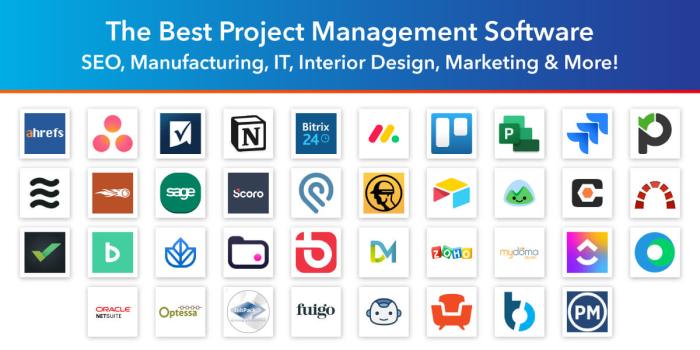
When it comes to project management software for enterprises, there are several top solutions that stand out in the market. Each of these software options offers unique features, strengths, and weaknesses that cater to the needs of large-scale businesses. Let's take a closer look at some of the most popular project management software solutions designed specifically for enterprises.
1. Microsoft Project
Microsoft Project is a comprehensive project management tool that offers a wide range of features to help enterprises plan, execute, and track their projects efficiently. Some of its strengths include integration with other Microsoft tools, robust reporting capabilities, and advanced scheduling options.
However, it can be complex to use for beginners and may require training to fully utilize its features.
- Pricing:Microsoft Project offers various pricing plans based on the number of users and features required.
- Scalability:The software is highly scalable and can accommodate the needs of small to large enterprises.
- Customization:Microsoft Project allows for some level of customization to tailor the software to specific project requirements.
2. Asana
Asana is a popular project management software known for its user-friendly interface and intuitive design. It offers features such as task management, project tracking, and collaboration tools to streamline project workflows. Its strengths lie in its simplicity and ease of use, making it a popular choice among teams.
However, some users may find its reporting capabilities to be limited compared to other software options.
- Pricing:Asana offers a free basic plan with limited features, as well as premium plans for more advanced functionalities.
- Scalability:Asana is suitable for small to medium-sized enterprises but may lack some advanced features required by larger organizations.
- Customization:Asana provides customization options to tailor the software to specific project needs.
3. Jira
Jira is a project management software developed by Atlassian, known for its agile project management capabilities. It is widely used by software development teams for its issue tracking, sprint planning, and reporting features. Jira's strengths include its flexibility, integration with other Atlassian products, and extensive customization options.
However, some users may find the interface to be overwhelming due to the abundance of features.
- Pricing:Jira offers various pricing plans based on the number of users and features required, with options for both cloud and self-hosted versions.
- Scalability:Jira is highly scalable and can cater to the needs of small startups to large enterprises.
- Customization:Jira allows for extensive customization to adapt the software to different project management methodologies.
Case Studies
Implementing project management software in enterprises can lead to significant improvements in efficiency and productivity. Let's explore some real-life examples of successful implementations.
Case Study 1: Company X
- Company X faced challenges with project delays and lack of collaboration among team members.
- By implementing project management software, they were able to streamline communication, track progress more effectively, and allocate resources efficiently.
- The benefits included a 20% decrease in project completion time and a 15% increase in overall productivity.
Case Study 2: Company Y
- Company Y struggled with project cost overruns and missed deadlines.
- After adopting project management software, they were able to create detailed project plans, monitor expenses in real-time, and identify potential risks proactively.
- As a result, Company Y saw a 25% reduction in project costs and a 30% improvement in on-time project delivery.
Case Study 3: Company Z
- Company Z grappled with poor resource allocation and ineffective communication channels.
- With the implementation of project management software, they were able to optimize resource utilization, enhance collaboration among team members, and improve decision-making processes.
- The outcomes included a 10% increase in project profitability and a 20% reduction in project risks.
Outcome Summary
In conclusion, Project Management Software Enterprise: Top Solutions Ranked provides a comprehensive overview of the landscape of enterprise project management solutions. Whether you're a seasoned professional or a newcomer to the realm of project management, this guide equips you with the knowledge to make informed decisions and drive successful project outcomes.
FAQ Corner
What sets enterprise project management software apart from regular project management tools?
Enterprise project management software is designed to handle complex, large-scale projects that involve multiple teams, resources, and stakeholders. These tools offer advanced features like resource allocation, collaboration tools, and scalability to meet the unique demands of enterprise-level projects.
How do I choose the right project management software for my enterprise?
When selecting project management software for your enterprise, consider factors such as scalability, customization options, integration capabilities with existing tools, and user-friendliness. It's essential to align the features of the software with the specific needs and requirements of your organization.
Can project management software help improve project outcomes for enterprises?
Yes, project management software plays a crucial role in enhancing project outcomes for enterprises by facilitating better coordination, communication, and resource management. These tools streamline processes, reduce errors, and increase overall efficiency, leading to successful project delivery.