Embarking on the journey of exploring the landscape of corporate travel management in 2026, this comparison delves into the intricate details of TMC fees, service levels, and technology stacks. Get ready to uncover the nuances that define the industry's offerings and pave the way for informed decisions in corporate travel management.
Comparison of TMC Fees
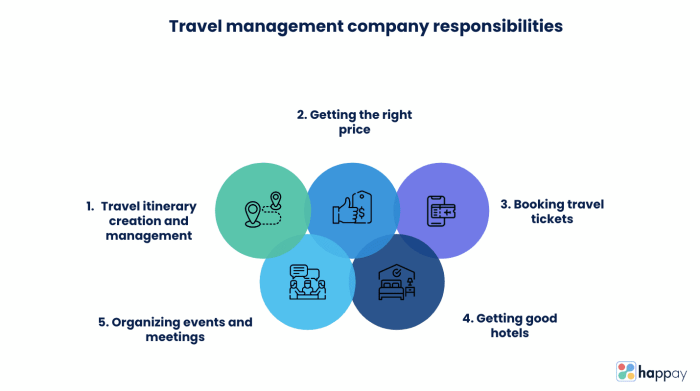
Corporate travel management companies (TMCs) typically have varied fee structures that can impact the overall travel budget of corporations. These fees are influenced by several factors and can vary significantly from one TMC to another. The transparency of fee structures also plays a crucial role in the decision-making process for corporations when choosing a TMC to partner with.
Overview of Typical Fee Structures
- Management Fee: This is a standard fee charged by most TMCs for their services, which can be a fixed amount per transaction or a percentage of the total booking cost.
- Transaction Fees: TMCs may charge additional fees for each booking made, which can add up depending on the volume of travel.
- Service Fees: Some TMCs may charge extra for premium services such as after-hours support, visa processing, or travel insurance.
Factors Influencing Fee Variations
- Scope of Services: TMCs offering a wider range of services may have higher fees compared to those with limited offerings.
- Volume of Travel: TMCs may adjust their fees based on the volume of travel bookings made by a corporation.
- Market Competition: Fees can also be influenced by market competition, with some TMCs offering competitive pricing to attract clients.
Impact on Travel Budget
- High fees can significantly impact the overall travel budget of corporations, leading to increased costs and reduced savings.
- Transparent fee structures help corporations better understand their expenses and make informed decisions to optimize their travel budget.
Transparency of Fee Structures
- Some TMCs provide detailed breakdowns of their fees, making it easier for corporations to understand the cost of each service.
- Others may have hidden fees or unclear pricing models, which can make it challenging for corporations to budget effectively.
Service Levels Offered by TMCs

When it comes to corporate travel management companies (TMCs), the range of services they offer can vary significantly. These services are crucial for ensuring a smooth and efficient travel experience for business travelers. Let's explore the different service levels typically provided by TMCs and their importance in selecting the right TMC for corporate travel needs.
Key Service Level Differences between Premium and Standard TMC Packages
Premium and standard TMC packages often differ in the level of personalized service and support offered to clients. Premium packages may include dedicated account managers, 24/7 customer support, access to exclusive deals, and tailored travel itineraries. On the other hand, standard packages may offer basic booking services without the added perks of premium packages.
The key difference lies in the level of attention and customization provided to clients based on their specific needs and preferences.
Importance of Service Levels in Selecting a TMC for Corporate Travel Needs
Selecting the right TMC with appropriate service levels is essential for ensuring seamless travel operations for employees
By opting for a TMC that aligns with their service level expectations, companies can enhance traveler satisfaction, streamline booking processes, and improve cost management.
Examples of How TMCs Ensure Customer Satisfaction through Their Service Offerings
TMCs go the extra mile to ensure customer satisfaction through a range of service offerings. This can include providing real-time travel updates, offering travel policy compliance checks, managing travel disruptions effectively, and implementing traveler safety protocols. By offering comprehensive services that cater to every aspect of corporate travel, TMCs help companies navigate the complexities of business travel with ease and efficiency.
Technology Stack Utilized by TMCs
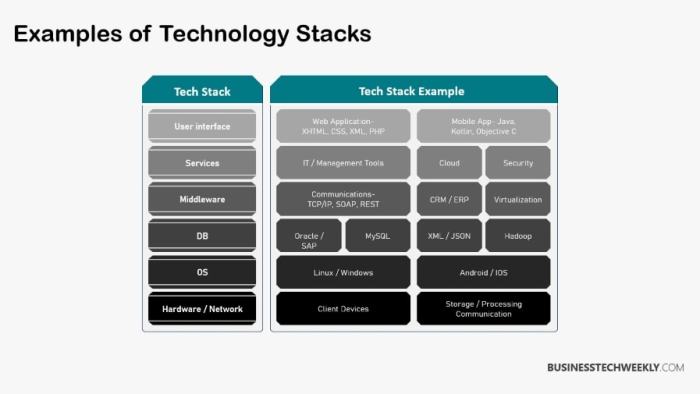
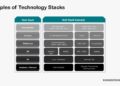
In the rapidly evolving landscape of corporate travel management, technology plays a crucial role in streamlining processes, enhancing efficiency, and providing a seamless booking experience for clients. Corporate Travel Management Companies (TMCs) leverage a variety of technologies to meet the diverse needs of their clients and stay ahead in the competitive market.
Essential Technologies Utilized by TMCs
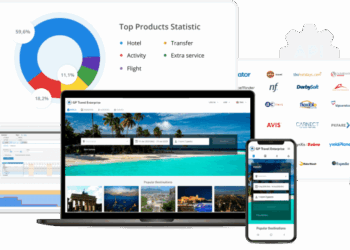
- Online Booking Tools (OBTs): These tools allow travelers to book flights, hotels, and other travel services online, providing a user-friendly interface for seamless reservations.
- Travel Policy Compliance Software: TMCs use this software to ensure that travelers adhere to company travel policies, helping organizations control costs and maintain compliance.
- Data Analytics and Reporting Tools: TMCs utilize data analytics to track travel expenses, identify cost-saving opportunities, and generate insightful reports for clients.
- Mobile Applications: With the increasing reliance on mobile devices, TMCs offer mobile apps to enable travelers to manage their trips on the go, receive real-time updates, and access assistance when needed.
Leveraging Technology for Enhanced Travel Booking Experience
Technology enables TMCs to provide personalized recommendations, streamline booking processes, offer 24/7 support, and ensure seamless communication with clients. By integrating various technologies, TMCs can offer a customized and efficient booking experience that meets the unique requirements of each client.
Efficiency of Booking Processes Across TMCs
TMCs with advanced technology stacks often boast faster booking processes, automated itinerary management, and real-time updates on travel disruptions. Clients working with TMCs that prioritize innovative technologies can expect a more efficient and hassle-free booking experience compared to those with outdated systems.
Role of Emerging Technologies in Shaping the Future of TMC Services
Emerging technologies like Artificial Intelligence (AI) and blockchain are revolutionizing the travel industry by improving automation, enhancing security, and personalizing travel experiences. AI-powered chatbots, predictive analytics, and blockchain-based payment systems are reshaping how TMCs deliver services, paving the way for a more seamless and efficient future in corporate travel management.
Last Word
As we conclude this discussion on 2026 Comparison: Corporate Travel Management Company (TMC) Fees, Service Levels & Technology Stack, it becomes evident that the interplay between fees, service quality, and technological advancements shapes the future of corporate travel management. Stay informed, stay ahead, and navigate the evolving landscape with confidence.
Common Queries
What factors influence fee variations among different TMCs?
Factors such as services included, company size, and geographical coverage can contribute to fee variations among different TMCs.
How do TMCs ensure customer satisfaction through their service offerings?
TMCs ensure customer satisfaction by providing personalized services, offering 24/7 support, and leveraging technology for seamless experiences.
What technologies are commonly used by corporate travel management companies?
Commonly used technologies include booking platforms, expense management systems, and mobile applications for travel convenience.